 CityBuddy
 English
Things to Do in Sokcho, South Korea
Photo made by 정규송 Nui MALAMA on Pexels.com
When to visit
Plan your perfect trip to Sokcho, South Korea
Get a complete travel plan built just for you in under 30 seconds, with daily routes, local food tips, budget estimates and more.
Are any of these especially important to you?
Select all that apply
Plan language: EnglishMost popular attractions in Sokcho, South Korea
If you are looking for things to do in Sokcho, South Korea, start by climbing to the top of Ulsanbawi Rock in Seoraksan National Park, where you can enjoy panoramic views of the East Sea. Take a walk along the 300-meter pier in Abai Village, try the local squid at Sokcho Beach, and admire the sunset at Yeonggeumjeong Pavilion.
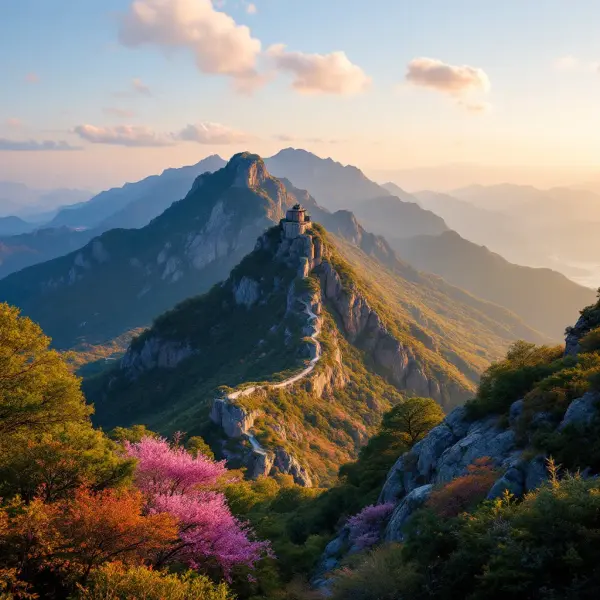
1. Seoraksan National Park
Vertiginous granite peaks and waterfalls where the air smells of pine and the salt of the Sea of Japan. Walk across suspension bridges among the clouds and touch the 400-year-old cedars that have outlived dynasties.
Quick facts: Rocky peaks soar up to 1708 meters, and in spring the slopes are immersed in purple blooms of rhododendrons. Every year, more than 3 million travelers come here to see the granite cliffs covered in dense forests.
Highlights: At dawn, clouds hang between the granite peaks in the shape of dragons, as the locals say. This is where the oldest Buddhist temple, Sinheungsa, founded in 652, is located, and inside there is an 80-meter bronze Buddha statue.
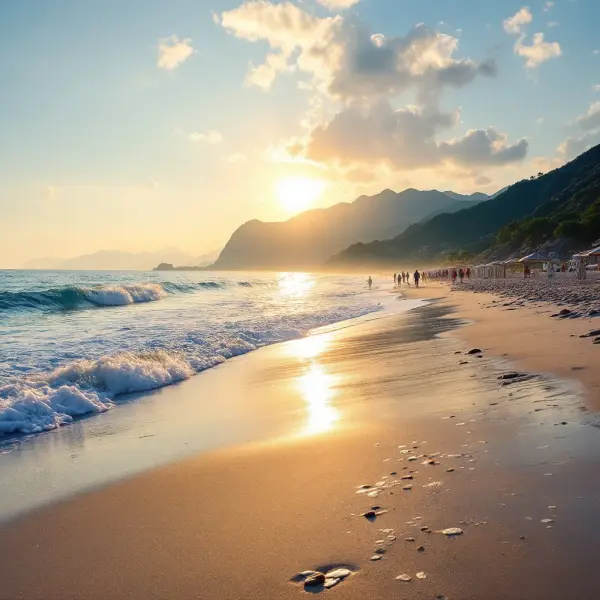
2. Sokcho Beach
The best city beach on the east coast with soft sand and scenic pine trees. Dip into the warm sea, grab a bite of the freshest seafood on the promenade, and watch the sunset from a café table.
Quick facts: Fine white sand stretches for 1.5 kilometers along the coast of the East Sea. The waves here are fairly calm, and the water warms up to a comfortable 24 degrees by mid-July.
Highlights: Early in the morning, before the first beachgoers arrive, right on the beach you can see local fishermen pulling nets full of freshly caught fish by hand, which can be bought on the spot. A pine grove just 50 meters from the water provides dense shade, and the scent of pine needles mixes with the salty breeze a unique bouquet you will not find on other beaches.
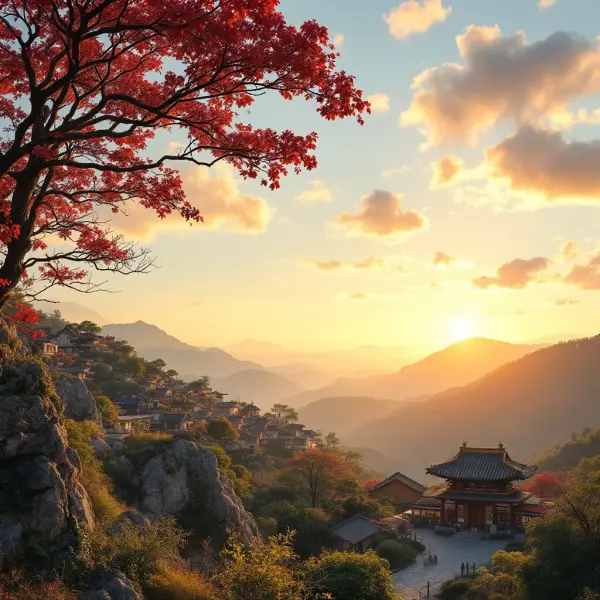
3. Abai Village
Step into living history where time stopped in the 1950s. Stroll along narrow streets, try homemade pies, and listen to stories from grandmothers who remember the war.
Quick facts: Just a 20-minute drive from the center of Sokcho, this place recalls the life of North Korean refugees who found shelter here during the Korean War. The village has about 50 houses, many of which still serve as homes for elderly migrants and their descendants.
Highlights: The most unusual exhibit here is an old loudspeaker on a hillside that once broadcast propaganda to North Korea, and you can still hear a recording of the announcer's voice from those years. Every autumn, locals hold an impromptu fair with treats based on recipes over 60 years old.

4. Sokcho Lighthouse Observatory
The only lighthouse in Korea where you can go up and see both the sea and the mountains. Here you will walk on a glass floor above the waves and see where Seoraksan meets the East Sea.
Quick facts: From a height of 56 meters, a panorama opens up covering the East Sea, the city of Sokcho, and even the peak of Seoraksan on clear days. The lighthouse was built not just as a navigational landmark, but as part of a large port complex, and today it is connected to a scenic wooden promenade along the coast.
Highlights: The glass floor on the observation deck makes your heart skip a beat: 30 meters below, waves crash beneath your feet, and the wind howls through the metal grating. In the evenings, the lighthouse flashes with 5-second beams of blue-white light, and local fishermen still check their course by it, a tradition more than 50 years old.
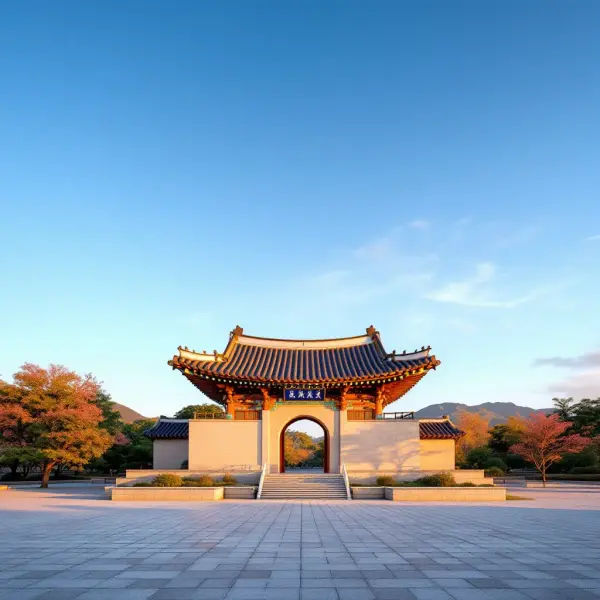
5. Yeonggeumjeong Pavilion
A pavilion over the sea where wind and waves create a natural symphony. Feel the salty spray on your face and watch fishing boats enter Sokcho port.
Quick facts: Yeonggeumjeong Pavilion sits on a rocky cliff right above the Sea of Japan, with waves crashing against the rocks 20 meters below. From a small observation deck, you get a view of three scenic Sokcho beaches and a harbor with fishing boats.
Highlights: In windy weather, you can hear a natural musical accompaniment: the wind whistling between the pavilion's columns mixes with the roar of the surf below. The branches of coastal pines growing right out of the rocks bend and stretch almost horizontally, a sight that resembles a scene from an old Korean film.
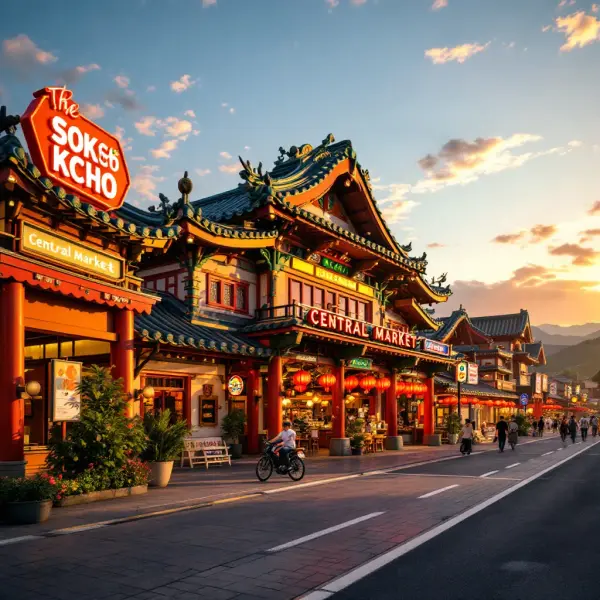
6. Sokcho Central Market
The main gastronomic nerve of Sokcho, where seafood is sold right off the boats. Walk through the rows, try hwe sashimi and sweet rice cakes, and you will discover the true taste of the city.
Quick facts: Around 30,000 people pass through Sokcho Central Market every day, especially during fresh seafood season. Here you can try hwe, Korean sashimi, on the go, buying it from fishermen who have just returned with their morning catch.
Highlights: In the alley behind the fish section, there is a tiny hwe street where for 15,000 won they slice sashimi for you right on a Styrofoam box, and nearby they grill the leftover fish over charcoal. Locals call this poor man's sashimi, but in terms of freshness, it is on par with expensive restaurants.
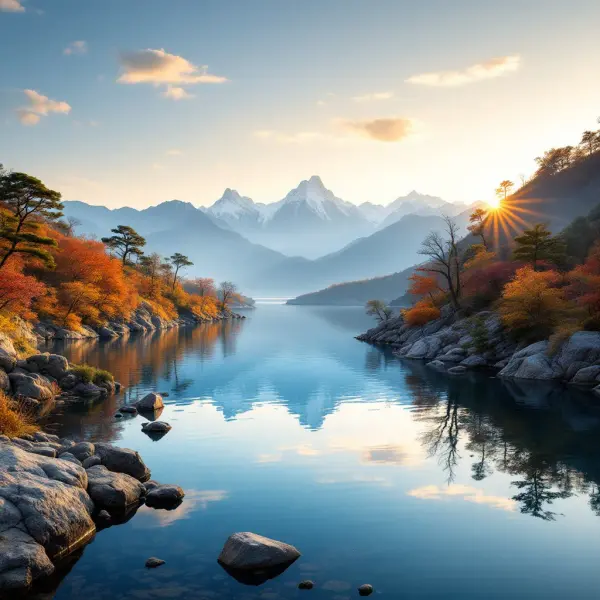
7. Cheongcho Lake
A mirror-like surface among granite cliffs looks like a scene from a fantasy film. Walk along the wooden boardwalk and see the mountains reflected in the turquoise water.
Quick facts: The lake is surrounded by rocks of bizarre shapes, and the water changes its hue from emerald to turquoise depending on the lighting. Each year, about 1.5 million tourists come here to walk along the wooden boardwalks by the shore and admire the reflection of the mountains.
Highlights: In calm weather, the surface of the lake turns into a perfect mirror, where the mountain ridges are duplicated with photographic precision. Early in the morning, when the fog spreads over the water, it seems as if the rocks are floating in the air.
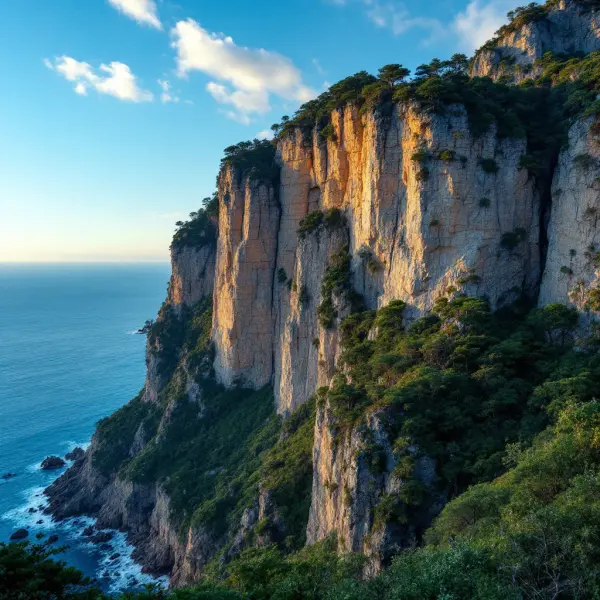
8. Daepo Jusangjeolli Cliff
Only here can you see how the ocean created a real stone organ from hundreds of perfect columns. You will walk along a wooden boardwalk right above the raging waves, feeling the breath of the elements.
Quick facts: Waves and wind have carved these hexagonal basalt columns right into the rock over millions of years, creating a natural organ up to 30 meters high. This is one of the largest deposits of columnar jointing in Korea, stretching along the coast for about 2 kilometers.
Highlights: Unlike ordinary rocks, these basalt columns are perfectly symmetrical, as if carved by a giant sculptor: some blocks are perfectly hexagonal, like a honeycomb. During a storm, waves crash into the columns with a roar, and spray shoots up 20 meters, drenching onlookers in icy salty mist.
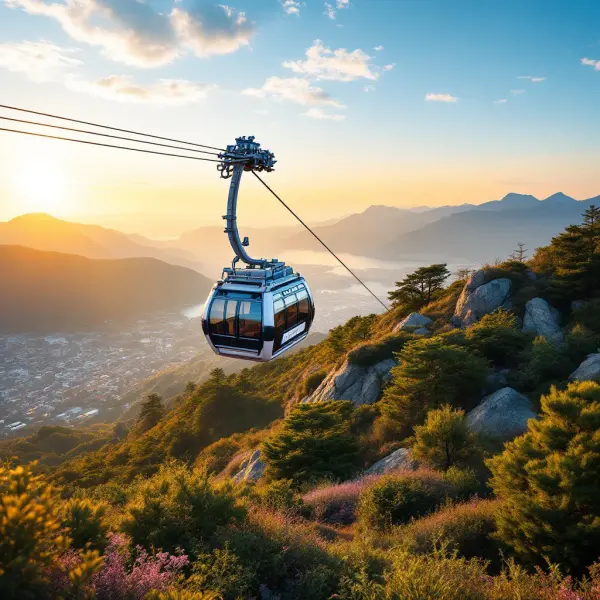
9. Seorak Cable Car
Want to see where the emerald peaks of the National Park meet the endless sea? In 8 minutes you will climb 600 meters, and from above you will see landscapes that take your breath away.
Quick facts: The cable car rises to a height of 600 meters in just 8 minutes, revealing a breathtaking panorama of rocky peaks and the East Sea. About 1.5 million people use this cable car every year, making it one of the busiest in Korea.
Highlights: The cable cars climb almost vertically along the granite wall of the gorge, with the slope reaching 40 degrees, and it feels like you could almost touch the rock with your hand. At the top, you will find not just an observation deck, but an entire route along wooden boardwalks among centuries-old pines with a view of the ancient granite peak of Ulsanbawi.
Where to Stay in Sokcho, South Korea
Selected by City Buddy based on guest reviews and proximity to top attractions
Search all hotels in Sokcho, South KoreaPowered by agoda
Traditional Sweet Dishes
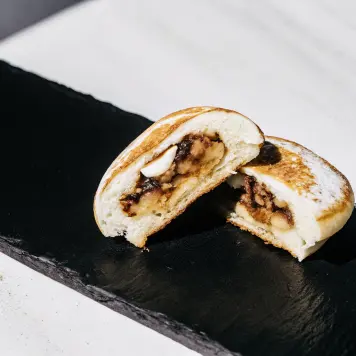
Hotteok
Hotteok is a popular Korean street food pancake filled with brown sugar, cinnamon, and nuts. In Sokcho's cold winters, the hot, syrupy filling provides a warming treat for locals and visitors alike.

Sujeonggwa
Sujeonggwa is a traditional Korean cinnamon punch made with dried persimmons and ginger. It is often served as a digestif after meals and is especially popular in Sokcho's seafood restaurants.

Yaksik
Yaksik is a sweet Korean rice cake made with glutinous rice, honey, chestnuts, and dried fruits. It is traditionally enjoyed during festive occasions and symbolizes good fortune and health.
Traditional Savory Dishes

Sokcho Ojingeo Sundae
Sokcho Ojingeo Sundae is a local specialty where squid is stuffed with glass noodles, vegetables, and minced meat, then steamed or grilled. As a coastal city, Sokcho is famous for this unique squid-based version of Korean blood sausage.

Dak Kangjeong
Dak Kangjeong is crispy deep-fried chicken coated in a sweet and spicy gochujang glaze. Sokcho's version often incorporates local honey for a distinctive regional flavor.
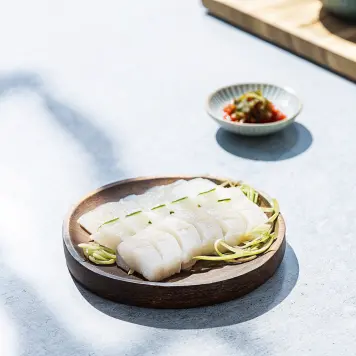
Hoe (Korean Raw Fish)
Sokcho is a major port city and the fresh hoe (raw fish) served here comes straight from the East Sea. The local Abai Village is especially known for its raw fish dishes, often served with gochujang and fresh vegetables.
Traditional Beverages

Sikhye
Sikhye is a traditional sweet rice punch made from malted barley and rice. It is commonly served after meals in Sokcho restaurants as a refreshing digestive drink.
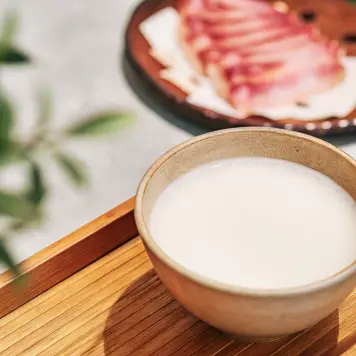
Makgeolli
Makgeolli is a milky, slightly fizzy Korean rice wine that pairs perfectly with Sokcho's savory seafood pancakes and raw fish. Local breweries in the Gangwon region produce versions with subtle variations in sweetness and tang.

Omija Cha
Omija Cha is a tea made from magnolia berries, known as "five-flavor berries" for their sweet, sour, salty, bitter, and pungent tastes. It is a popular warming drink in Sokcho's cold winters and is often served with honey.
Frequently Asked Questions about Sokcho, South Korea
Is Sokcho, South Korea safe for tourists?
How many days should I allocate for a trip to Sokcho?
What is the best time to visit Sokcho?
Is Sokcho an expensive city for tourists?
How do I get around Sokcho?
Get a PDF with the most popular attractions sent to your email
Get a PDF with all attractions, ratings, and tips. Perfect for offline use.
Most popular day trips
Seoraksan National Park
South Korea's most iconic national park with dramatic granite peaks, temples, and hiking trails
Goseong Unification Observatory
Observatory offering views of the DMZ and North Korea from the eastern coast
Naksansa Temple
Historic seaside Buddhist temple with a giant statue and ocean views
Yangyang Beach
Popular surfing destination with long sandy beaches and surf schools
Cheongcho Lake
Scenic coastal lagoon surrounded by walking paths and cafes near Sokcho
Rent a car in Sokcho, South Korea
Getting there
Train stations
KTX and Donghae Line connecting to Seoul and Gangneung
KTX high-speed line from Seoul (approx 2 hours)
From Yangyang Airport take bus 7 or a taxi (30 min). From Seoul take KTX to Gangneung then bus or taxi to Sokcho (total about 3 hours).
Find flights to Sokcho, South Korea
Click to get eSim for Sokcho, South Korea
The easiest and most affordable way to get mobile internet wherever you travel.
Comments (8)
The sunrise at Yeonggeumjeong Pavilion was gorgeous. Get there by 5am though, it gets packed fast.
Stay near the bus terminal, not the beach. Cheaper hotels and better food options within walking distance.
Sokcho surprised me. The market food is incredible and way cheaper than Seoul. Definitely worth a weekend trip.
If you're renting a car, park at the public lot near the bus terminal. Free and close to everything.
Had high hopes but the weather was awful. Rainy and cold even in June. Couldn't enjoy the beach at all.